

Understanding the psychology behind gambling decisions
The Allure of Risk-Taking
Risk-taking is a fundamental element of human behavior, deeply ingrained in our psyche. For many, the thrill of uncertainty is an irresistible attraction. When individuals engage in gambling, they are often drawn to the potential rewards despite the inherent risks. The feeling of placing a bet can trigger a rush of adrenaline, releasing dopamine in the brain, which reinforces the desire to gamble. This neurological response helps to explain why many find themselves returning to games of chance, even when the odds are stacked against them. Players can explore a multitude of options at https://katsubet-canada.com, where the variety enhances the excitement of gambling.

Moreover, the psychology of risk-taking often involves a complex interplay between cognition and emotion. Many gamblers develop a distorted sense of probability, often overestimating their chances of winning. This is particularly evident in games where skill is involved, such as poker, where players might believe their expertise gives them an edge over luck. This cognitive bias can lead to what is known as the “gambler’s fallacy,” where individuals think that past outcomes affect future probabilities, prompting them to continue betting despite losses.
The social aspect of gambling also fuels its appeal. Engaging in games within a community or at a casino can create a sense of belonging and camaraderie. Gamblers often share stories of wins, creating an environment that encourages further participation. Social reinforcement makes the experience more enjoyable, solidifying the psychological pull of gambling. Understanding these layers can help players become more aware of their motivations and the factors influencing their decisions.
Emotional Triggers and Gambling
Emotions play a significant role in gambling behaviors, often driving individuals to make impulsive decisions. Anxiety, excitement, and even boredom can lead someone to gamble. For example, individuals might turn to gambling as an escape from stress or negative emotions. This coping mechanism can develop into a dangerous cycle, where the temporary relief provided by gambling is ultimately overshadowed by the consequences of financial loss and emotional distress.
Research shows that emotional arousal can lead to heightened decision-making risks. When people are excited or feeling lucky, they may be less cautious, leading to larger bets or more frequent play. Conversely, those feeling down may seek out gambling as a form of escapism, hoping to reclaim lost money or boost their mood. Understanding these emotional triggers is crucial for both players and professionals in the gambling industry, as they can help create better support systems for responsible gambling.
Furthermore, marketing strategies employed by casinos and online platforms often prey on these emotional states. Promotional campaigns frequently highlight big wins and exhilarating experiences, enticing players to join in. This can reinforce the belief that gambling is a quick fix for life’s problems. Recognizing how emotions influence decisions is a vital step toward fostering healthier gambling habits and mitigating potential addiction.
The Role of Cognitive Biases
Cognitive biases significantly impact gambling decisions, often leading players to misjudge risks and rewards. One common bias is the “illusion of control,” where gamblers believe they can influence the outcome of random events. This often manifests in behaviors such as selecting specific numbers or using rituals before placing bets, reinforcing their belief that they have control over their fate. These biases can distort reality and result in continued gambling despite mounting losses.
The “availability heuristic” is another cognitive bias that can skew gambling perceptions. Players often base their decisions on recent experiences, like memorable wins or losses, rather than on statistical probabilities. For instance, if a player has recently witnessed a large jackpot win, they might be more inclined to believe that a similar outcome is likely for them, despite the odds remaining unchanged. This cognitive distortion can perpetuate the cycle of gambling, as individuals chase what they perceive as attainable wins.
Lastly, many gamblers fall prey to the “sunk cost fallacy,” where they feel compelled to continue betting because they have already invested time or money into the game. This can lead to a destructive pattern where the individual continues to gamble in an attempt to recoup losses rather than acknowledging the need to stop. Recognizing and addressing these cognitive biases is crucial for promoting responsible gambling and assisting players in making informed decisions.
The Impact of Environment and Context
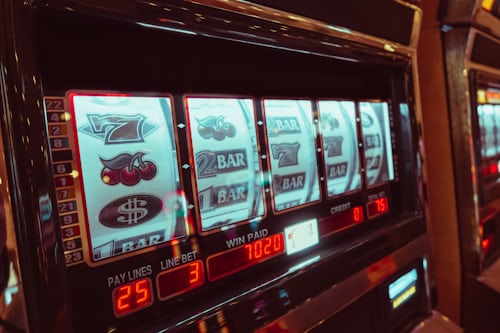
The environment in which gambling occurs can significantly shape a person’s decisions. Factors such as noise, lighting, and the overall atmosphere of a casino or gaming platform can influence a gambler’s behavior and emotional state. Casinos are often designed to be visually stimulating, with bright lights and engaging sounds that keep players captivated and encourage prolonged play. This creates a sensory overload that can diminish rational thinking and promote impulsive betting.
Additionally, social interactions within a gambling environment play a pivotal role. Gamblers may be influenced by peers, often feeling pressure to match bets or continue playing based on the actions of those around them. The social dynamics can enhance excitement but also lead to irrational decision-making, as individuals prioritize group norms over personal judgment. This peer influence can amplify both the joys of winning and the despair of losing.
Finally, the context of gambling—whether it occurs in a casino, online, or at home—affects how decisions are made. Online platforms, like those tailored for Canadian players, often create an illusion of safety and control, leading individuals to gamble more freely than they might in a physical casino. Understanding the environmental and contextual factors that impact gambling decisions can help players make more informed choices and recognize the subtle influences at play.
Katsubet: A Safe Gaming Environment
Katsubet is designed to cater to players in Canada, providing a premier online gaming experience while prioritizing player safety and responsible gambling. With a wide range of games, including slots and table games, it offers something for everyone, whether you’re a high roller or a casual player. The platform’s commitment to fast payouts, especially through cryptocurrency, ensures that players enjoy a seamless gaming experience without unnecessary delays.
The casino also features robust responsible gambling tools that allow players to set limits on their betting and playtime. This is particularly important in fostering a healthy gaming environment, as it helps individuals recognize and manage their gambling behaviors. The 24/7 customer support ensures that assistance is always available, reinforcing the platform’s commitment to creating a safe and engaging space for all players.
By focusing on player welfare while delivering an exciting array of gaming options, Katsubet exemplifies a balanced approach to online gambling. Understanding the psychology behind gambling decisions can empower players to enjoy their gaming experience responsibly and make informed choices that align with their values and financial circumstances.